
What Are the Main Pros and Cons of Java?



While many new programming languages are accessible in today’s world, Java remains one of the most popular and widely utilized solutions. Yet, Java still has its own distinct set of limitations in addition to its numerous advantages. On top of that, there are now many more advanced technologies, which are preferred by all professionals who appreciate efficiency and reliability. Yojji specialists have a variety of experience with advanced programming languages, and we are ready to provide a free consultation to select the technology for your project.
Get a Free Consultation for Your Project
Yojji is a hub of talented and experienced engineers. There are various technologies that our team recommends instead of Java. Get a free consultation and find out which option is best for you.

Pros of Using Java
There are several advantages to using Java as a programming language, including the following:
- Java Is Simple
In comparison to languages like C++, Java is a comparatively simple language. It is simple to read and write, and the syntax is clear and consistent. Java’s simplicity comes from its object-oriented programming principles, which allow developers to write code in a modular and reusable way. Besides, a large selection of built-in classes and methods are also available in the Java standard library, which can make specific typical programming tasks easier.
- Java Is Platform-independent
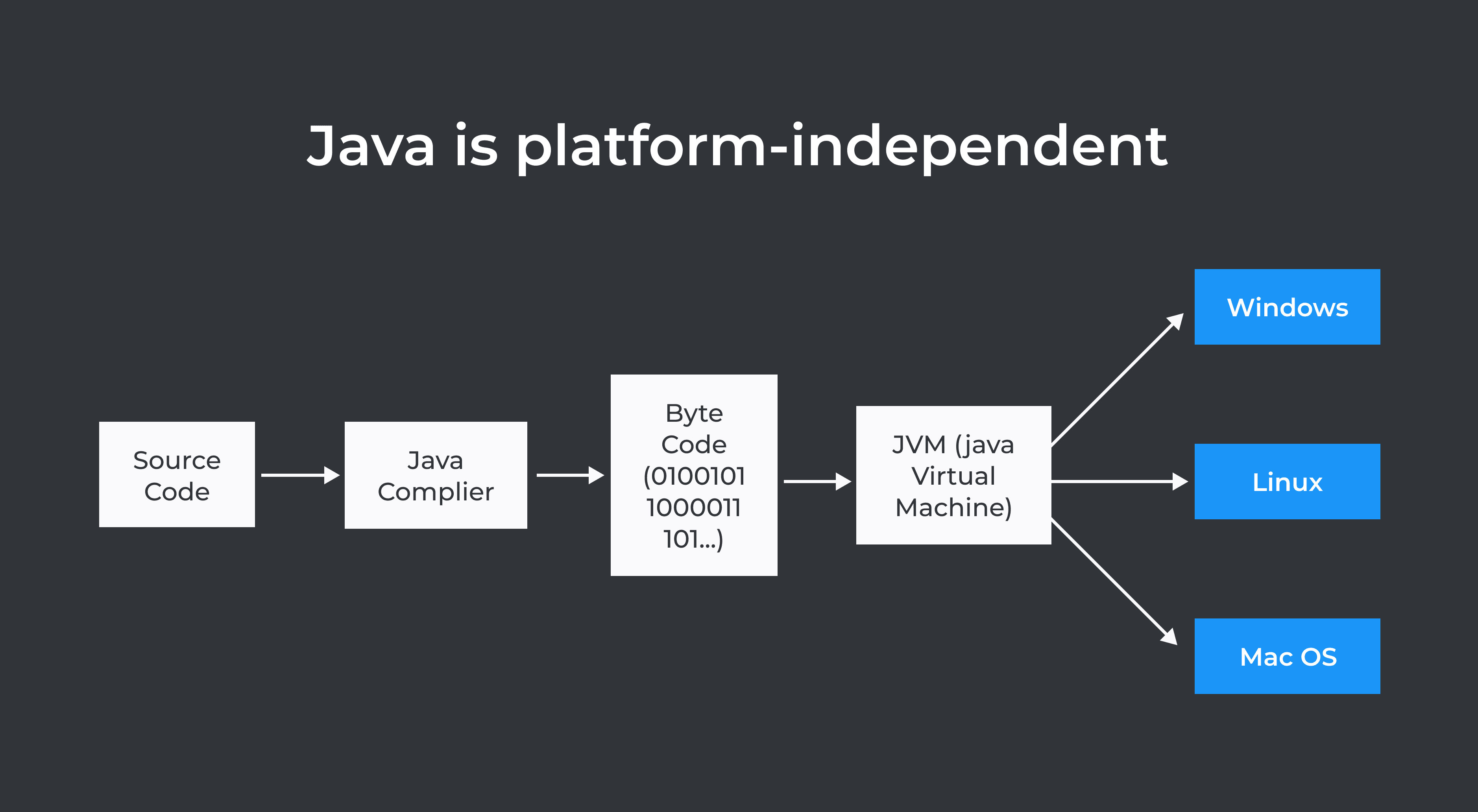
Java adheres to the WORA principle (Write Once, Run Anywhere). Since Java’s compatibility is not based on the operating system or hardware, it is incredibly adaptable. This feature is a huge advantage in a world where devices and operating systems are constantly changing.
- Java Supports Multithreading
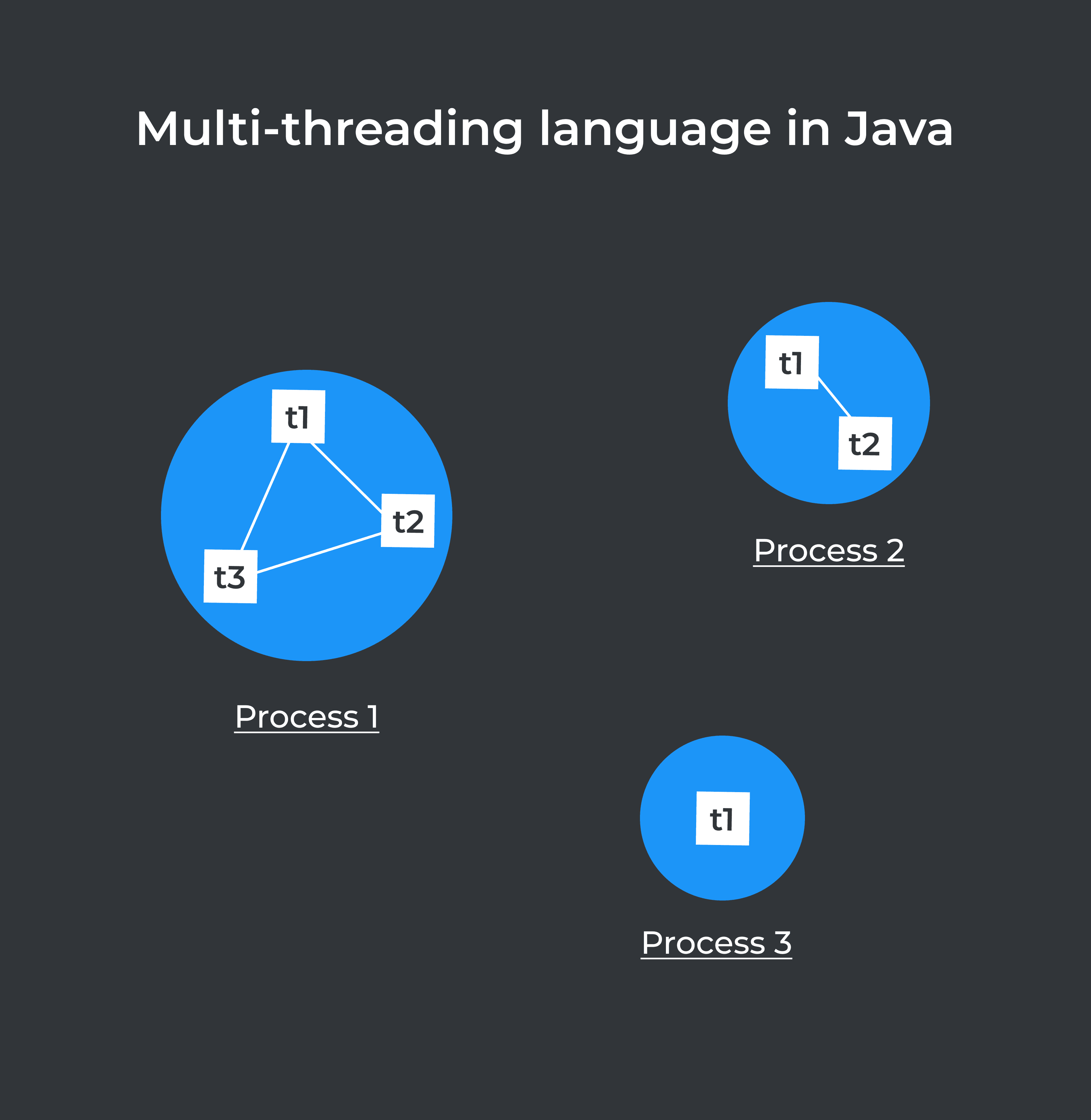
Java is a multithreaded language, meaning that several threads may be active at once. The smallest component of a process is a thread. Users can maximize CPU with the aid of multithreading. The efficiency and performance of the program are increased by several threads sharing a shared memory space. These threads are separate from one another and do not interact.
- Java Is Cheap and Economical to Maintain
Java is affordable and simple to set up and maintain. Java can operate on any computer, which drastically lowers the cost of development.
- It’s a Secure Programming Language
Java was designed with security in mind, which makes it a popular choice for building secure applications. Java has built-in features such as automatic memory management, strong type checking, and exception handling, which help prevent common security vulnerabilities.
Cons of Java
While Java has many advantages, there are also some drawbacks and limitations.
- Java Provides Not so Attractive Look and Feels of the GUI
Even while Java has various GUI builders, these tools are not appropriate for creating intricate UIs. They are frequently inconsistent when used. There are various well-known frameworks for generating GUIs, including Swing, SWT, JavaFX, and JSF. But they lack the maturity to create a sophisticated user interface. Additional research may be needed to select the one that is best for you.
- Java Is Slow and Has a Poor Performance/
When it comes to real-time applications or low-level system development, Java can be slower than languages like C or C++. This is due to Java’s nature as an interpreted language.
- Java Code Is Verbose
Since it needs more lines of code than other languages like Python or Ruby to complete the same task, Java is frequently referred to be a verbose language. This is caused by Java’s object-oriented programming techniques and strong typing. Thus, variables in Java must have explicit type declarations, which might result in lengthier code. Additionally, Java might result in larger code due to the additional syntax needed to define classes and objects.
- Memory Management
Java’s automated memory management (garbage collection) is useful for developers, but if it’s not handled correctly, it can cause performance problems and memory leaks.
- No Backup Facility
Java has no functionality for user data backup. It primarily focuses on data storage, however, there is no backup mechanism for such data.

FAQ
Why Is Java so Popular?
Java is a powerful object-oriented programming language, which makes it easy to write modular and reusable code. This, in turn, makes it easier to maintain and update software applications.
What Is the Java Programming Language Used for?
Java is a versatile language that can be used to build a wide range of applications, including desktop, web, and mobile applications. It is also used in embedded systems, gaming, and scientific computing.
What Is Java Best Suited for?
Java is the best platform for creating and running mobile apps. It can be used to create various marketing tools and grow cloud applications.
Bottom Line
Thus, Java is a versatile programming language that has been widely adopted and used for a variety of applications, from enterprise software to mobile apps and IoT devices. The relevance of using this programming language depends on the individual requirements of the project. If you want to create a new project, Yojji’s specialists are ready to offer you a free consultation. We will help you find the right technology stack for your needs.
Looking to hire developers?